Inside a Casting Foundry: The Heart of Metal Manufacturing
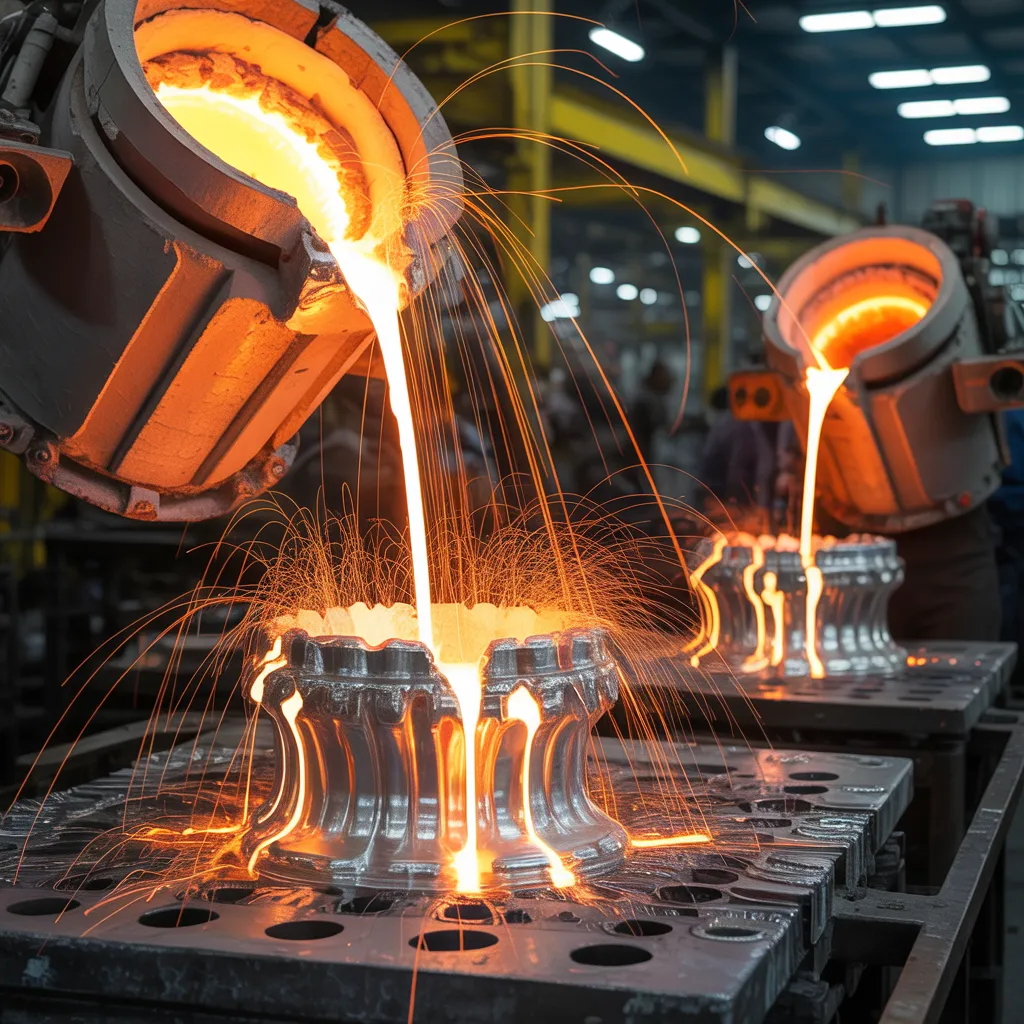
Deep inside a foundry operation, operations take place that are essential to the manufacturing of metals. Melting furnaces convert alloys into molten states, while skilled laborers manage detailed casting molds. Automation plays a key role, boosting productivity and sustainable practices. Still, the field faces significant hurdles that could impact its future. Understanding these dynamics exposes more than standard output metrics; it underscores a intricate relationship of established practices and modern advancements. What lies ahead for this essential field?
The Basics of Metal Casting
Metal casting functions as a fundamental process in modern manufacturing, converting liquid metal into solid shapes. This process has been utilized for centuries, allowing artisans and manufacturers to create components with intricate shapes and precise dimensions. The procedure starts with choosing appropriate metal alloys, which are afterward heated and melted at high temperatures.
Once the metal is molten, the metal is cast into molds built to define the more info final product. The molds used can be produced using a range of materials, including ceramic, sand, and metal, based on the production volume and required specifications.
When the metal cools down and solidifies, the mold is taken away, exposing the cast object. This process delivers notable benefits, such as minimized material waste and the capacity to manufacture elaborate shapes that would be hard to attain through other manufacturing techniques. Grasping these fundamentals is essential for understanding the significance of metal casting in today's industry.
Core Processes in Metal Casting: Melting, Molding, and Refinement
The journey of metal casting unfolds through three fundamental steps: melting, forming, and finishing. To begin, metal is placed in a furnace and heated until it reaches a molten state, enabling easier shaping and handling. This melting process is fundamental, as it defines the overall quality of the finished piece.
After this process, the melted metal is cast into casting molds, which form it into specific forms. The type of molding material—whether metal, sand, or ceramic—impacts the finished casting's surface quality and dimensional accuracy.
Finally, refinement encompasses allowing the cast metal to cool and solidify, followed by processes such as machining, polishing, or heat treatment to strengthen its mechanical qualities. This step confirms the final product adheres to exacting quality benchmarks and detailed specifications. All of these procedures are critical, playing a role in the overall performance and success of metal casting, resulting in premium-grade components across multiple industries.
Breakthroughs in Today's Foundry Industry
As the foundry sector advances, breakthroughs are redefining established processes, improving productivity and environmental responsibility. Advances in technology, like 3D printing, are overhauling how molds are produced, allowing for complex designs and reduced lead times. This technique not only cuts down on waste but also promotes personalization, addressing individual client requirements with greater precision.
Moreover, the implementation of automation and robotics simplifies processes, increasing productivity and reducing human error. Smart manufacturing technologies, including Internet of Things sensors, deliver real-time data analytics, allowing detailed oversight of operations alongside predictive maintenance.
In addition, environmentally friendly methods and materials are increasingly being adopted, minimizing the environmental impact of the casting process. The adoption of repurposed metals and energy-saving smelting systems highlights a shift towards eco-conscious practices, supporting global green initiatives. These breakthroughs together foster a more forward-thinking and conscientious foundry industry, prepared to address emerging challenges while fulfilling the changing demands of the industry.
What Challenges Do Casting Foundries Face?
What challenges do casting foundries face in an rapidly developing industry? One primary difficulty involves the instability in raw material expenses, which can severely impact production budgets. Additionally, environmental regulations are growing ever more demanding, forcing foundries to implement cleaner technologies to lower emissions and reduce waste. This change necessitates significant capital investment, which can create financial pressure for smaller businesses.
Moreover, competition from international producers commonly creates downward price pressure, creating obstacles for home-based foundries to maintain profitability. Foundries also grapple with adjusting to quickly evolving technological innovations, particularly digital transformation and automation, which call for continuous investment and workforce training.
Finally, supply chain challenges, exacerbated by international developments, present an ongoing risk, disrupting the on-time delivery of components and materials. Together, these obstacles demand foundries to remain flexible and inventive to succeed in a competitive market environment.
The Role of Skilled Labor in Casting Foundries
Although automation and technology persistently transform the production environment, experienced labor remains a critical pillar in metal casting facilities. The detailed demands of metal casting necessitates a breadth of understanding that automated systems cannot fully achieve. Experienced professionals have the capability to interpret complex designs, select appropriate materials, and resolve challenges that emerge during the casting process. Their practical expertise is vital for maintaining accuracy and quality standards, especially in demanding applications that call for strict tolerances.
Additionally, qualified workers play an essential role in maintaining and optimizing machinery, making certain that production flows smoothly and productively. As casting methods develop, these workers are also tasked with adapting and refining techniques, merging cutting-edge technologies while upholding established craftsmanship. In this fast-paced setting, the interplay between skilled professionals and technological developments is vital for maintaining the standards and dependability that characterize thriving casting foundries.
Future Trends in Casting: What's Next for the Industry?
Growing developments in the casting industry are ready to redefine its direction, propelled by technological progress and shifting market requirements. AI and automation are continuously improving production processes, enhancing precision and reducing labor costs. In addition, the adoption of 3D printing technology is revolutionizing mold creation, enabling more complex designs and shorter production timelines.
Sustainability is emerging as a key priority as businesses seek to reduce their environmental impact. This involves incorporating recycled materials and implementing energy-efficient methods in foundries. In addition, the demand for lightweight materials, particularly in the automotive and aerospace sectors, is pushing innovations in alloy development.
The sector is also experiencing a movement in the direction of digitalization, where IoT solutions support real-time monitoring and predictive maintenance. As these developments align, the casting sector is expected to undergo significant transformations, preparing itself to handle the challenges of a rapidly changing global landscape.
Common Questions and Answers
What Kinds of Metals Are Typically Cast in Foundries?
Frequently cast metals in foundries consist of aluminum, iron, steel, bronze, and brass. Each of these metals holds unique attributes, rendering them ideal for a wide range of applications, from vehicle components to decorative objects, demonstrating the adaptability of casting processes.
How Does Metal Casting Affect the Environment?
Metal casting influences the environment through emissions, energy consumption, and waste generation. It can contribute to both air and water contamination, while also requiring considerable resources, driving the need for sustainable practices and technologies in the sector.
What Safety Measures Are in Place for Foundry Workers?
Foundries implement numerous protective measures, including safety equipment, ventilation systems, routine training programs, and rigorous compliance with safety protocols. Such protocols serve to minimize hazards and ensure a protected workplace setting for all staff members.
How Are Casting Flaws Detected and Addressed?
Casting defects are identified using visual reviews, dimensional measurements, and non-destructive analysis methods. Addressing these issues involves refining processes, correcting imperfections, or performing re-casting when required to guarantee quality and adherence to specifications.
What Does a Standard Casting Production Timeline Look Like?
A standard production timeline for a casting involves multiple stages: mold making, pattern creation, pouring, cooling, and finishing. This procedure usually spans from a couple of days to multiple weeks, depending on complexity and production volume.